
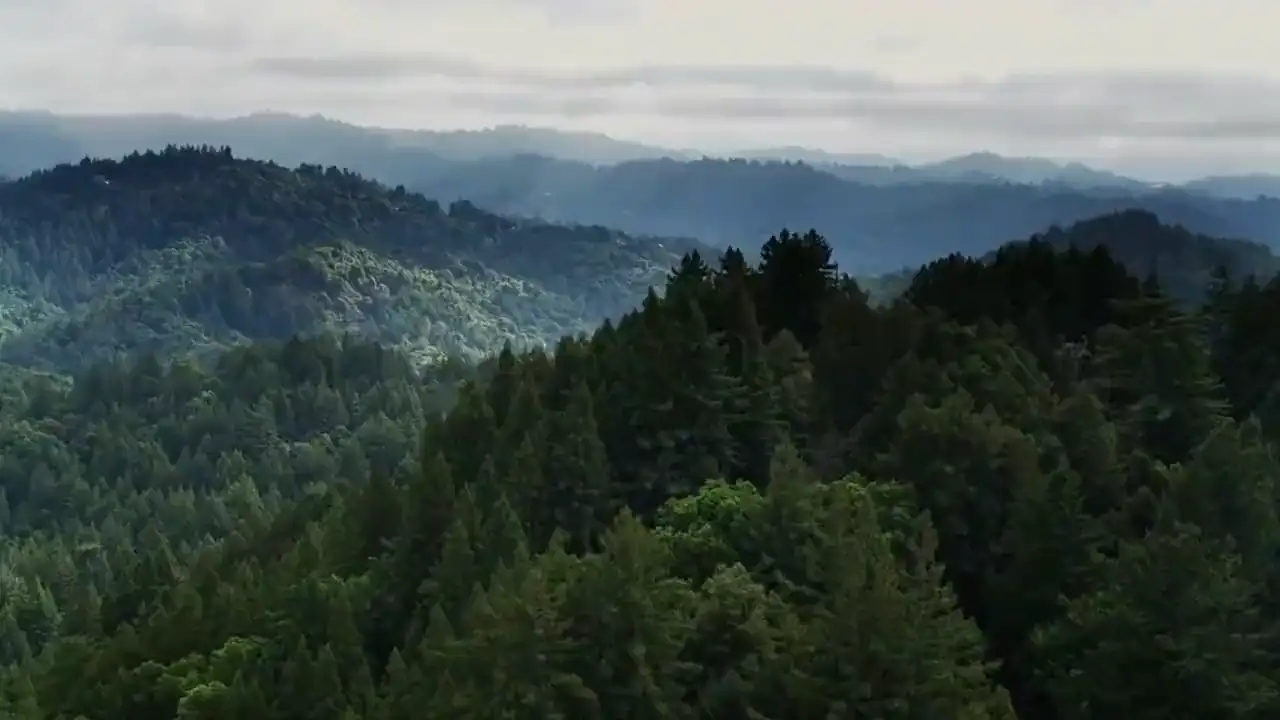
A new way to value nature.
From Brazil to the world.
You don't buy a credit.
You protect a forest.
Payment for Environmental Services (Law 14,119/2021) that keeps the Legal Reserve standing, with public verification
- 167M ha
- of Legal Reserve: 29% of the country's remaining native vegetation
- R$6T/yr
- in environmental services generated by this vegetation
- 17.3M ha
- Legal Reserve deficit: the law exists on paper and fails on the ground
Sources: ESALQ/USP (Legal Reserve and environmental services); Forest Code Thermometer, Nov/2025 (deficit)
Brazil has the asset. The world has the demand. Neutraza has the bridge.
Como funciona
Neutraza brings together those who care for the forest and those who want to be part of protecting it.
Guardians
They are responsible for looking after Legal Reserves. They join the platform, register the area and upload the reserve’s documents and maps.
Certification
Neutraza reviews the documents, validates the registration and sets up satellite monitoring. After that, the area becomes available for adoption.
Holder
Chooses the reserve, or part of it, to support its preservation. Follows everything on an exclusive dashboard and receives the Neutraza certificate, with a verifiable QR code, to see their forest at any time.
The reserve stays alive
And stays well cared for: the Guardian receives the payments and has the resources to keep the forest healthy.
The quarterly update turns a purchase into a long-term relationship.
Law No. 12,651/2012
What a Legal Reserve is and what it is for
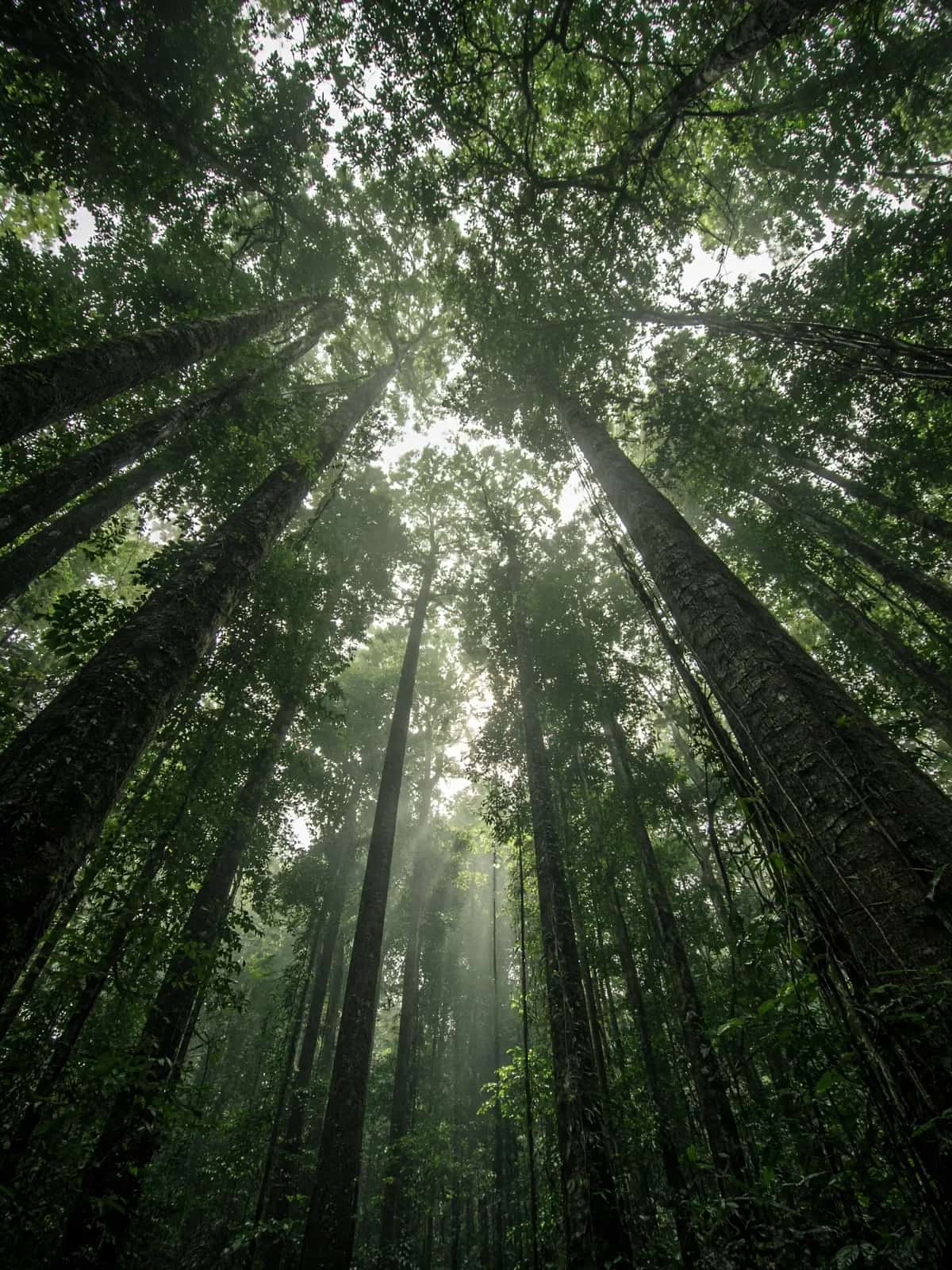
The Legal Reserve is the part of a rural property where native vegetation must be conserved, under Brazil's Forest Code (Law No. 12,651/2012). It helps protect the region's biodiversity, water and soil.
Our mission: to turn the Legal Reserve from a mandatory cost into income for those who preserve it. And to give buyers what the market never had: knowing exactly which forest they are protecting.
- A real forest
- Each FRU linked to a specific Legal Reserve, with owner, coordinates and satellite image.
- Income for those who preserve
- The Guardian who keeps the forest is paid monthly for its conservation.
- Verifiable trust
- Satellite, CAR and public QR make every claim auditable by anyone.
The problem
Those who preserve don't get paid. Those who pay don't know what they protect.
For the rural producer
- The Legal Reserve is required by law.
- But it generates no income for those who keep it.
- The economic pressure to deforest is real and constant.
- There was no platform turning conservation into income.
For the buyer
- The carbon market became a black box.
- No one knows which forest a credit comes from.
- Greenwashing destroyed credibility.
- There is no real link between those who pay and what is preserved.
Neutraza is the bridge: it connects those who have forest with those who want to protect it.
What a FRU is
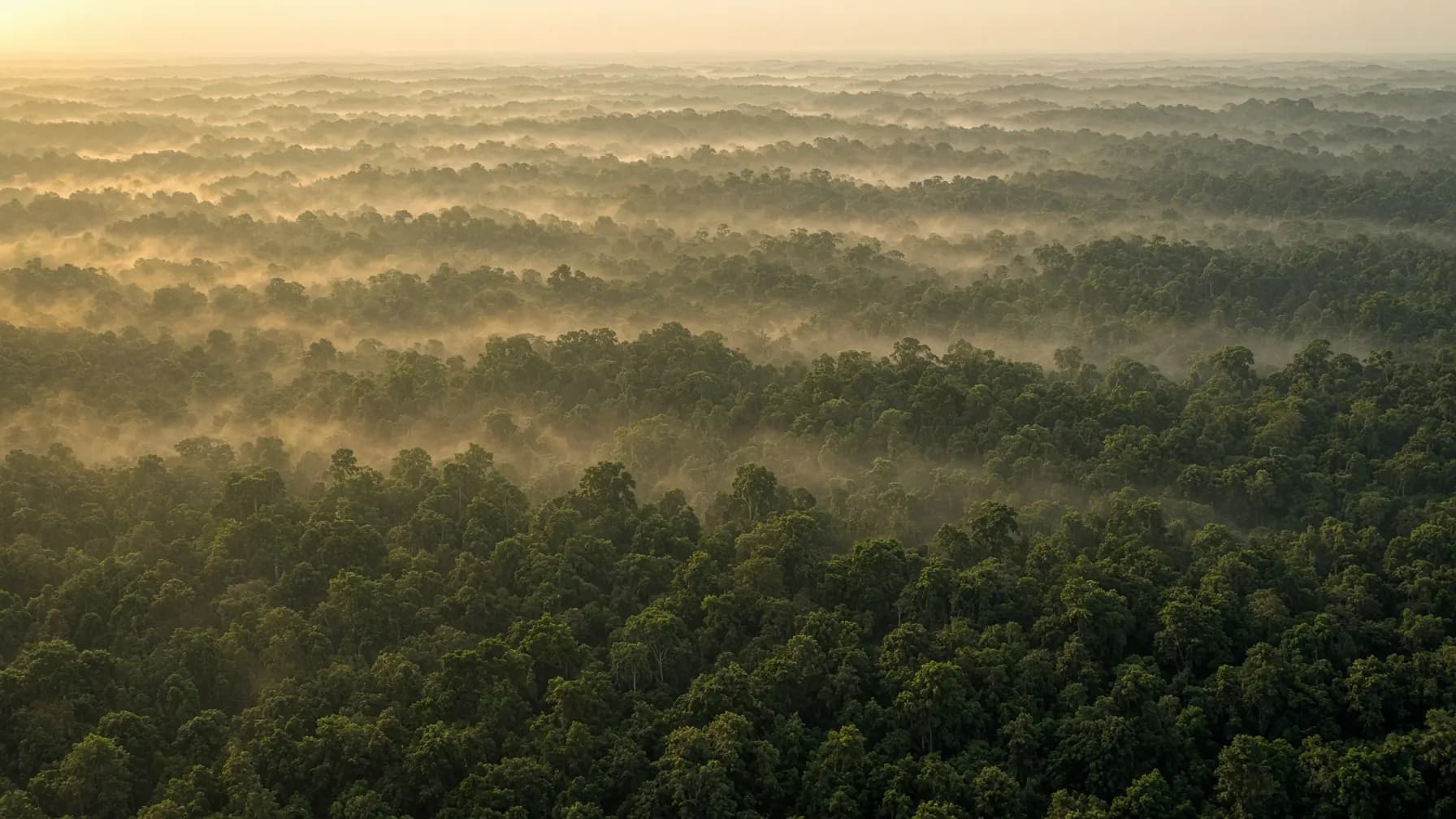
Each FRU (Forest Reserve Unit) is support for the conservation of one hectare of Legal Reserve. It has its own identification and a single holder. Adoption does not transfer ownership of the land.
Fazenda Santa Tereza
- Bioma
- Mata Atlântica
- Cobertura por satélite
- 98,6%
Your journey
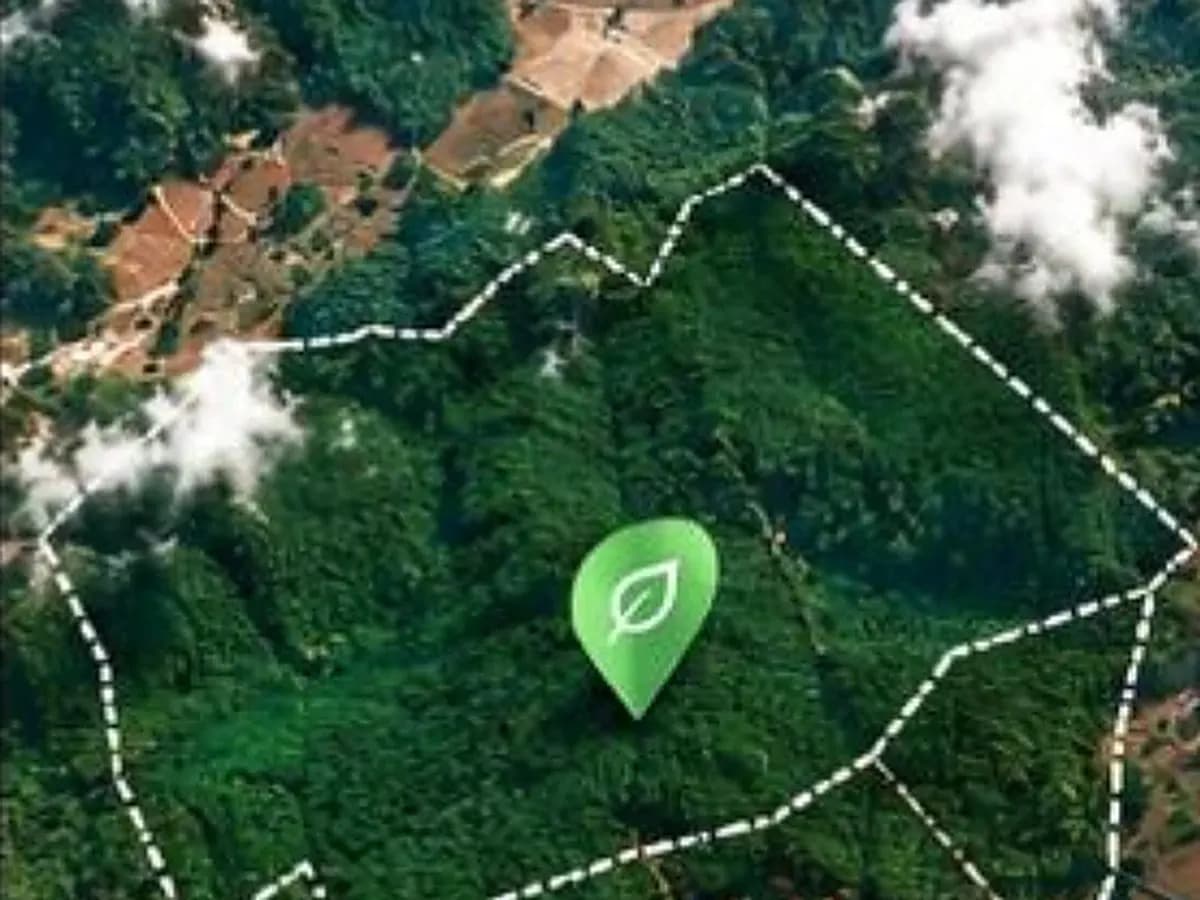
Discover
Browse the map and choose a forest.
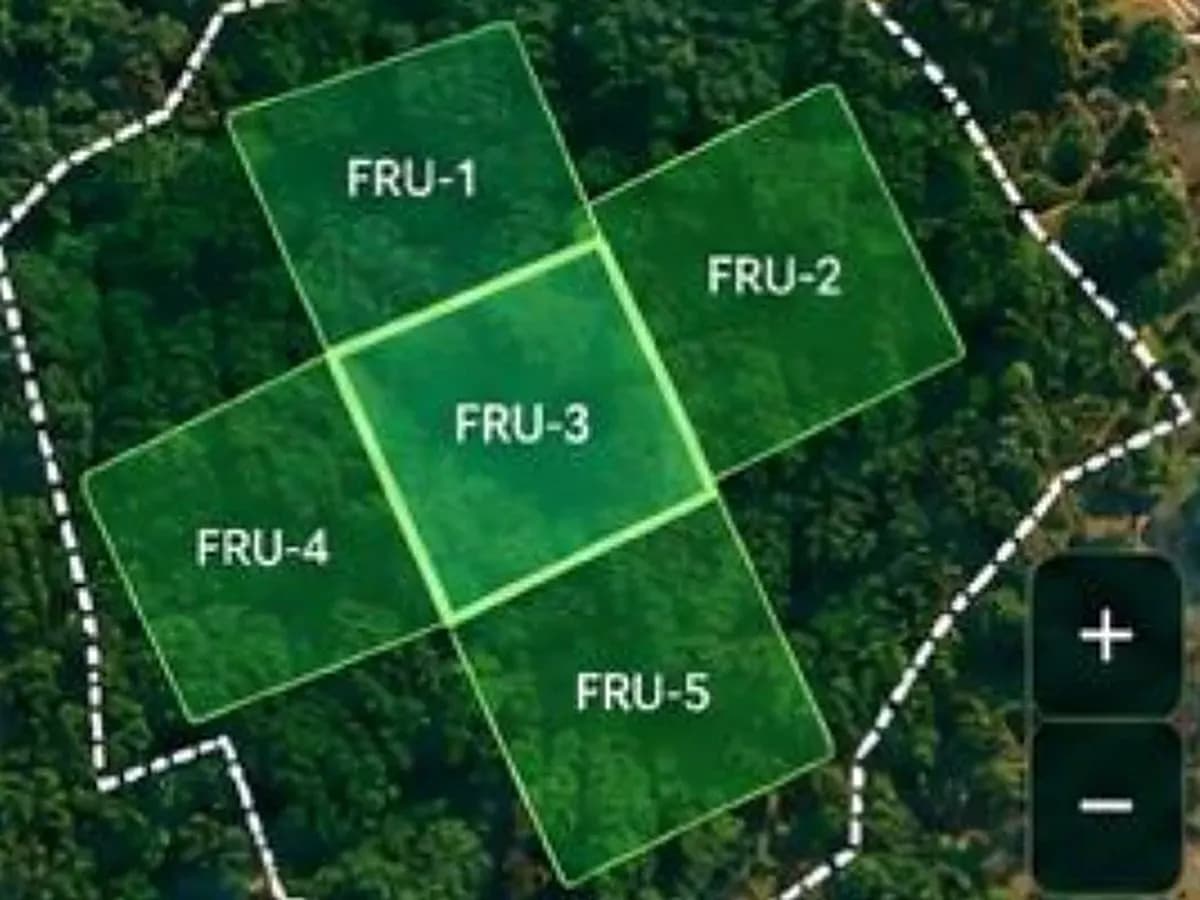
Adopt
Choose the biome and the forest, pay in a few clicks and receive a serialized certificate with coordinates and QR.
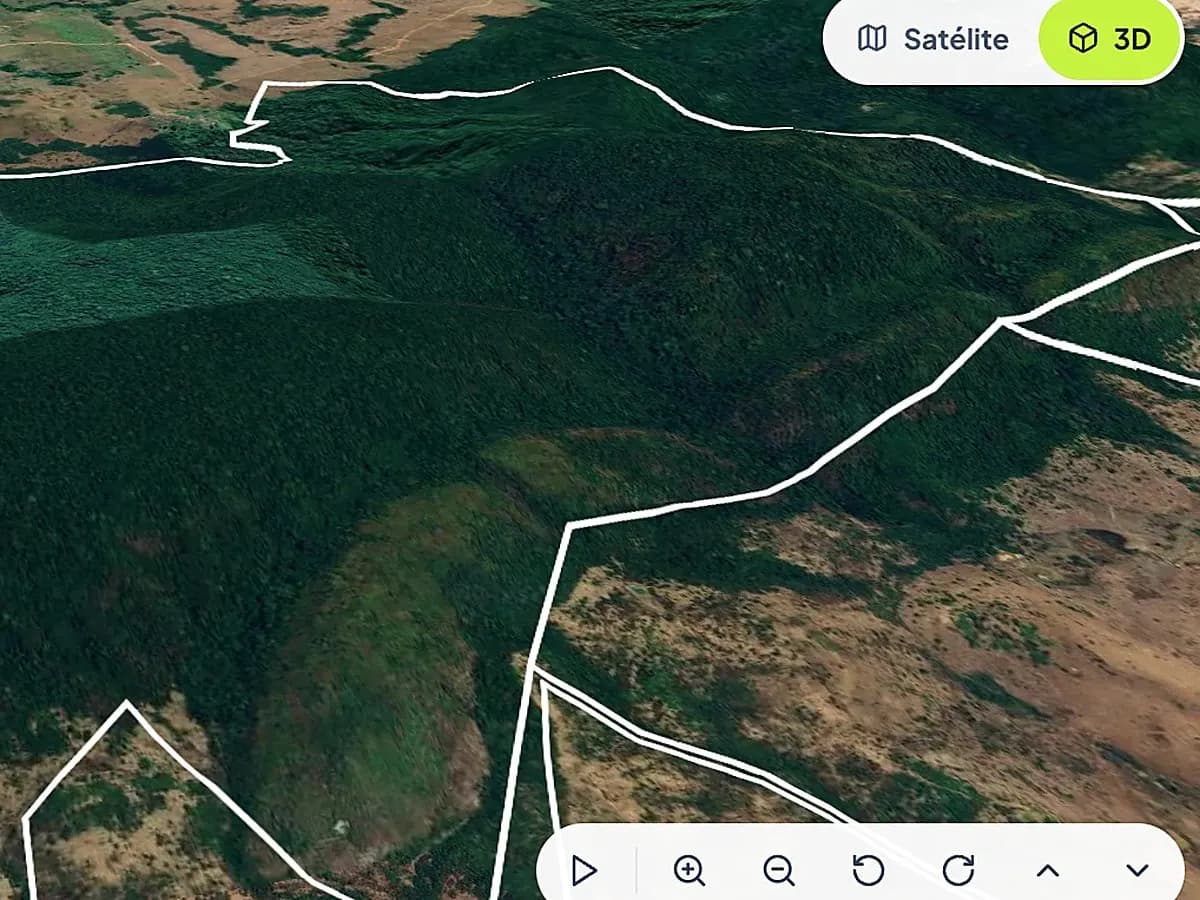
Follow
Every quarter, receive the reserve image and the vegetation cover report.

Protect
Your adoption helps keep the forest standing.
Context
Every unpaid Legal Reserve is under pressure to be converted
- 49%
- of Brazil's planted area is already soy
- No. 1
- cattle ranching is the main driver of deforestation in the Amazon
- 12.4%
- is what remains of mature Atlantic Forest
Sources: studies on soy and cattle in Brazil; SOS Mata Atlântica and INPE
The law protects on paper. Payment protects on the ground.
The inevitable question
Why pay for something that is already mandatory?
The law requires, but does not guarantee
The national Legal Reserve deficit reaches 17.3 million hectares. The obligation exists on paper and fails on the ground.
The PSA law provides for this payment
Law 14,119/2021 declares the Legal Reserve eligible for PSA, including with public funds (art. 9, sole paragraph).
The economic incentive changes
The forest starts generating monthly income for the Guardian, instead of being just a cost against soy and cattle.
Payment is conditional
Fire or non-compliance suspends the contract for the Guardian's entire area. Payment is for verified upkeep.
The FRU does not claim carbon additionality: it is a verified contribution so that the law works.
Sources: Forest Code Thermometer (Nov/2025); Law 14,119/2021, art. 9, as amended by Law 14,653/2023
Technology
Verification that can't be copied in weeks
Land data
CAR + Sicar: direct access to the official registry
When the CAR number is entered, the platform fetches the official Legal Reserve polygon from Brazil's environmental registry, with more than 7 million rural properties.
Monitoring
Satellite and alerts over each reserve
Sentinel-2 imagery, MapBiomas alerts and hot spots. Any change in vegetation cover triggers an alert.
Public verification
Verifiable QR: the receipt the market never had
Each certificate points to a public page with coordinates and image history.
Anti-greenwashing by design, not by declaration.
Monitoring
What the buyer receives, and how often
| Frequency | Delivery | Source |
|---|---|---|
| Quarterly | Image of the entire Legal Reserve, with the polygon and hectare highlighted, and coverage report | Sentinel-2 (10 m) |
| Continuous | Deforestation and fire alerts | MapBiomas Alerta and INPE |
| Annual | Coverage classification and indicators report | MapBiomas |
| By sampling | Field photos of the areas visited | Field audit |
At 10 m resolution, 1 hectare is 10 × 10 pixels: that is why the image shows the entire reserve. With clouds, image compositing is used.
Deliverables
What the buyer receives
Serialized certificate
Each FRU with a unique number, coordinates and verifiable QR
Reserve visible on the site
The buyer sees on the map the hectare they maintain
Quarterly update
Reserve image, coverage report and alerts
Indicators report
Area maintained, fire and recorded species (being implemented)
Data for ESG reports
GRI 304, TNFD, CDP Forests and CSRD
Tax benefit in Brazil
Details under NDA
The right time, in the right place
2023: Crisis of confidence in carbon
Investigations found that up to 90% of the REDD+ credits from the leading certifier did not represent real reductions.
2024: Law 15.042
Brazil created its regulated market (SBCE), signaling that conservation will have growing, institutionalized value.
2026–27: EUDR
The European rule requires proof that agricultural products do not come from deforested land, with phased application starting at the end of 2026.
Today: Accessible satellite
Open imagery and automatic alerts make it viable to monitor any Legal Reserve, not just large projects.
What sets us apart
Others deliver parts. No one delivers all six together.
| Layer | Traditional market | FRU |
|---|---|---|
| Specific origin: farm and municipality | Varies; usually by project | Each FRU tied to a Legal Reserve |
| Real area on the map | Rarely public | Official CAR polygon, on the site |
| Visual evidence | Varies | Quarterly image of the reserve |
| Transparent flow | Barely visible | Monthly, traceable payment to the Guardian |
| Certificate with coordinates and QR | Rare | Serialized, verifiable certificate |
| Continuous follow-up | Usually a one-off purchase | Quarterly update and alerts |
Comparison by category, based on public market information.
What 1 hectare kept standing protects
Water, climate, life and economy
- 12M liters
- of rain fall on each hectare per year; in the forest, the soil absorbs it up to 60 times faster than in pasture*
- +5 °C
- at the surface when forest becomes cropland
- Habitat
- of threatened species unique to each biome
- R$43B/yr
- is the value of pollination for Brazilian agriculture
*1,200 mm/year; 1 mm over 1 ha = 10 thousand liters. Illustrative calculation. Infiltration: 1,428 vs 22.6 mm/h (study in Londrina, PR). Pollination: BPBES/Rebipp.
The same hectare, kept or deforested
Atlantic Forest
| Indicator | Legal Reserve kept | If cleared (pasture) |
|---|---|---|
| Water entering the soil | 1,428 mm/h, no runoff | 22.6 mm/h in pasture |
| Soil loss | Below the tolerance limit | 24 to 40 t/ha/yr in pasture |
| Birds in the biome | 893 species, 215 of them endemic | Only generalist species remain |
| Water for people | Springs that supply over 145 million people | Unprotected springs and sources |
Sources: infiltration study (Londrina, PR); ICMBio; SOS Mata Atlântica. General biome data, not about any specific property.
Amazon
| Indicator | Forest kept | If cleared |
|---|---|---|
| Surface temperature | The forest regulates temperature | More than 5 °C hotter when it becomes soy |
| Rain in the dry months | The forest turns moisture into rain | Deforestation accounts for 74.5% of the drop in rainfall |
| Loss to agriculture | Rain and productivity preserved | Losses of about US$1 billion a year in soy and beef |
| Trees | 475 species in 3 ha of upland forest | Irreversible loss |
Sources: IPAM/Woods Hole; FAPESP; UFMG thesis (Capes Award); upland forest inventory. Landscape-scale effects from general biome data, not about any specific property.
Real forest · Verifiable · Fair
Choose a reserve to support, or register the area you conserve.
For less than one dollar a day, your company ensures that a hectare of forest keeps delivering water, climate and life, and receives the data to prove it.